We often hear about the importance of content. It’s the bedrock of our digital presence, the vehicle for our message, and the magnet for our audience. Yet, simply creating content without understanding its impact is akin to casting seeds into the wind without knowing the soil or the weather. Our efforts can be powerful, but without data, they remain largely untamed. This is where analytics insights become our compass, guiding us through the wilderness of digital communication and illuminating the path to maximized content performance.
We must recognize that our content doesn’t just exist in a vacuum; it interacts with an audience, and every interaction leaves a trace. Analytics are these traces, the breadcrumbs leading us to understand what resonates, what falls flat, and why. By diligently gathering, interpreting, and acting upon these insights, we can transform lukewarm engagement into a roaring bonfire of audience interest and achievement of our objectives.
Before we can leverage analytics, we must establish what “performance” truly means for our content. This isn’t a one-size-fits-all proposition. Our goals dictate our metrics. For some, it might be brand awareness; for others, lead generation, sales, or community building. Without a clear definition of our desired outcomes, our analytics will be a tangled web of numbers, devoid of actionable meaning. We need to be precise architects of our data strategy, ensuring that every metric we track directly correlates to our overarching objectives.
Engagement Metrics: The Heartbeat of Audience Interest
Engagement is a multifaceted concept, and its measurement requires a nuanced approach. It’s not just about how many people see our content, but how they interact with it.
Pageviews and Unique Visitors: The Initial Footfall
Pageviews tell us how many times a particular piece of content has been accessed. Unique visitors, on the other hand, inform us about the distinct individuals who have encountered our content. A high number of pageviews with a low number of unique visitors might indicate that our existing audience is revisiting our content, which can be a good sign of its value and memorability. However, a significant disparity could also suggest our content isn’t attracting new eyes.
Time on Page and Bounce Rate: The Depth of Connection
Time on page is a crucial indicator of how deeply an audience is engaging with our content. If users are spending a significant amount of time on a page, it suggests they find it valuable and are absorbing the information. Conversely, a low time on page, especially when coupled with a high bounce rate, often signals that the content isn’t meeting their expectations or is failing to hold their attention. A high bounce rate, where users leave a page without interacting further, is like a guest walking out of a party within seconds of arriving – something is fundamentally unappealing.
Click-Through Rates (CTR): The Call to Action’s Success
For content that includes calls to action (CTAs), CTR is paramount. It measures the percentage of users who click on a link within our content. A low CTR on a critical CTA could indicate that the content surrounding it isn’t compelling enough to drive action, or that the CTA itself is poorly placed or worded. Conversely, a high CTR suggests that our content is effectively persuading users to take the desired next step.
Social Shares and Comments: The Echoes of Influence
Beyond our own platforms, social shares and comments provide a powerful external validation of our content’s impact. High social engagement indicates that our content is not only being consumed but is also being discussed, shared, and considered noteworthy by our audience. This organic amplification can significantly extend our reach and build social proof.
Conversion Metrics: The Tangible Outcomes
While engagement is vital, it often serves as a precursor to conversion – the ultimate goal of many content strategies. This is where we move from acknowledging interest to witnessing tangible results.
Lead Generation: Nurturing Potential Relationships
For many, content is a tool for lead generation. Metrics like form submissions, newsletter sign-ups, or demo requests directly measure how effectively our content is converting passive viewers into active prospects. Analyzing which content pieces drive the most leads allows us to focus our resources on those formats and topics that have the highest conversion potential.
Sales and Revenue Attribution: The Bottom Line
In e-commerce and direct sales environments, content performance can be directly linked to sales and revenue. Understanding which content influences purchasing decisions, through attribution models, is critical for demonstrating ROI. This might involve tracking how users interact with product descriptions, blog posts, or case studies before making a purchase.
Goal Completions: Universal Success Indicators
Beyond direct sales, many websites have specific goals set up in analytics platforms, such as downloading a whitepaper, completing a contact form, or registering for an event. Tracking these goal completions provides a clear picture of how our content is contributing to our broader business objectives.
Deconstructing Audience Behavior: Who Are They and What Do They Want?
Analytics don’t just tell us what is happening, but also who is driving those actions. Understanding our audience is akin to understanding the people we’re trying to reach in a personal conversation. If we don’t know their background, their interests, or their needs, our message will likely fall on deaf ears.
Demographics and Geographics: Painting a Picture of Our Readers
Demographic data, such as age, gender, and interests, coupled with geographic information, allows us to build a more detailed profile of our audience. This insight enables us to tailor our content to specific segments, ensuring its relevance and increasing the likelihood of engagement. For instance, if analytics reveal a significant portion of our audience is within a specific age bracket and interested in a particular topic, we can double down on creating content that directly addresses their needs and preferences.
User Flow and Navigation Paths: Mapping Their Journey
Understanding how users navigate through our website is crucial. User flow reports reveal the common paths visitors take, from their entry point to their exit. This can highlight areas where users are getting lost, where they are spending the most time, and which pages are most effective at guiding them towards desired actions. It’s like charting a map of a visitor’s expedition through our digital landscape, identifying popular trails and potential dead ends.
Exit Pages: The Point of Departure
Exit pages are where users leave our site. Analyzing these pages can reveal common friction points or areas where content might not be compelling enough to retain interest. If a high-traffic page is also a frequent exit point, it suggests that the content or user experience needs improvement.
Internal Linking Effectiveness: Guiding the Explorers
Our internal linking strategy plays a significant role in user flow. Analytics can show us which internal links are being clicked most frequently, indicating their effectiveness in directing users to other relevant content. This helps us optimize our internal navigation and ensure content discoverability.
Acquisition Channels: Where Do They Come From?
Understanding where our audience originates from is fundamental to optimizing our outreach efforts. Are they discovering us through organic search, social media, paid advertising, or direct traffic?
Organic Search Performance: The Power of Discovery
Organic search traffic is a testament to our content’s visibility and relevance in search engines. Analyzing keywords that drive traffic, the search engine ranking positions of our content, and the associated click-through rates provides invaluable insights for SEO optimization.
Social Media Engagement: The Amplifyers and Connectors
The performance of our content on social media channels reveals which platforms are most effective for reaching and engaging our audience. Metrics like shares, likes, comments, and referral traffic from social platforms help us understand what content resonates within those specific ecosystems.
Paid Advertising Impact: The Targeted Push
For content promoted through paid channels, analytics are essential for measuring ROI. We need to track how many users are clicking on our ads, their subsequent engagement with the landing page content, and their conversion rates to determine the effectiveness of our ad spend.
Optimizing for Search Engines: Becoming Discoverable
In the vast ocean of the internet, our content needs to be more than just good; it needs to be findable. Search engine optimization (SEO) is the art and science of making our content visible to those actively seeking information. Analytics provide the data-driven foundation for this endeavor.
Keyword Performance: The Language of Our Audience
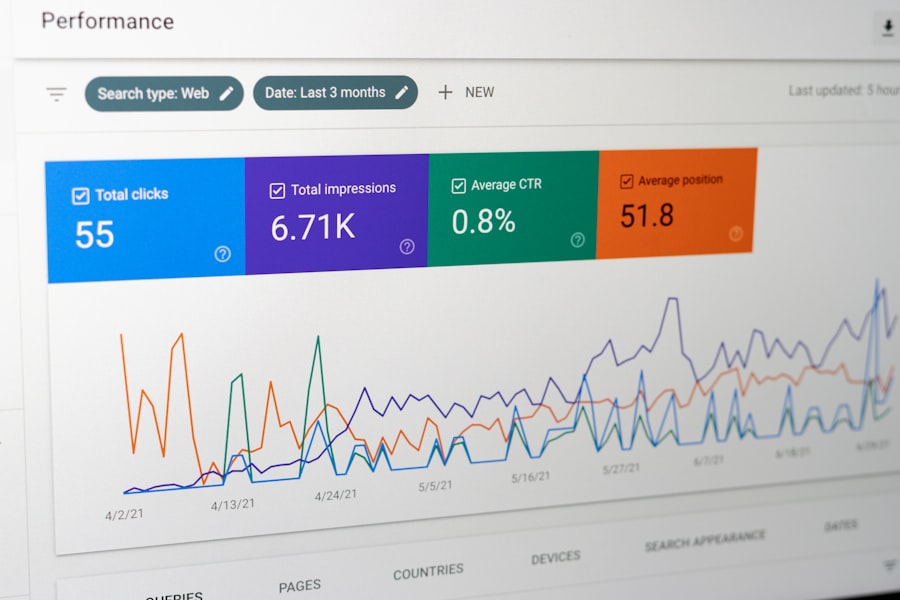
Understanding which keywords our audience uses to find content like ours is paramount. Analytics tools can reveal the search queries that lead users to our website, the ranking of our pages for those queries, and the search volume associated with them. This informs our keyword strategy, enabling us to create content that directly addresses user intent.
Keyword Density and Relevance: Speaking Their Language
While keyword stuffing is an outdated and detrimental practice, ensuring our content naturally incorporates relevant keywords is crucial. Analytics can help us identify which keywords are performing well and whether our content effectively uses them in a way that search engines understand as relevant.
Long-Tail Keywords: Capturing Niche Audiences
Long-tail keywords are longer, more specific search queries. They often indicate a higher intent from the user. Analytics can help us identify opportunities to target these niche phrases, as they can lead to highly qualified traffic.
Link Building and Backlinks: The Network of Trust
Backlinks, or links from other websites to ours, are a significant ranking factor for search engines. They act as votes of confidence. Analytics help us track the number and quality of backlinks our content receives.
Referring Domains: The Strength of Our Supporters
The diversity and authority of referring domains provide insight into the breadth and credibility of our backlink profile. High-quality backlinks from reputable sources signal to search engines that our content is valuable and trustworthy.
Anchor Text Analysis: The Context of Links
The anchor text (the clickable text of a hyperlink) used in backlinks provides context for search engines. Analyzing this can help us understand how our content is being described by others and identify opportunities for improvement.
Content Performance Analysis: Turning Data into Actionable Strategy

Gathering data is only the first step; the true power lies in analysis and subsequent action. We must become detectives, piecing together the clues provided by our analytics to refine our content strategy.
Identifying Top-Performing Content: What’s Working and Why?
Our analytics dashboards will highlight content that is excelling in engagement, conversions, or traffic. We need to dissect these successes. What format are they in? What topics do they cover? What tone do they employ? Understanding the DNA of our successful content allows us to replicate its winning formula.
Identifying Underperforming Content: Where Are the Leaks?
Conversely, we must also identify content that is falling short. Is it low traffic, high bounce rates, or poor conversion? Analyzing these underperformers can reveal issues with topic relevance, quality, SEO, or user experience. Sometimes, the most valuable insights come from understanding why something isn’t working.
Content Audit and Refresh Strategy: Giving Old Content New Life
Analytics can inform a content audit, helping us decide which existing content might benefit from updates, refreshes, or even repurposing. Content that is no longer relevant or accurate can damage our credibility. Conversely, updating high-performing but aging content can give it a significant boost.
A/B Testing and Experimentation: The Scientific Approach
The scientific method is invaluable when it comes to content. A/B testing allows us to compare two versions of a piece of content, a headline, a CTA, or even a landing page, to see which performs better. This data-driven approach removes guesswork and ensures we are making decisions based on empirical evidence.
Headline Optimization: The First Impression
Headlines are the gatekeepers of our content. Small changes can have a significant impact on click-through rates. A/B testing different headlines allows us to identify the most compelling options.
CTA Placement and Wording: Guiding the Next Step
The effectiveness of our calls to action is critical for driving conversions. Testing variations in placement, wording, and design can significantly improve their performance.
Investing in the Right Tools: Equipping Ourselves for Insight
| Metric | Description | Example Value | Importance |
|---|---|---|---|
| Page Views | Number of times a content page is viewed | 12,345 | High – Indicates content reach |
| Unique Visitors | Count of distinct users visiting the content | 8,765 | High – Measures audience size |
| Average Time on Page | Average duration users spend on a content page | 3 minutes 45 seconds | Medium – Shows engagement level |
| Bounce Rate | Percentage of visitors who leave after viewing one page | 42% | Medium – Indicates content relevance |
| Click-Through Rate (CTR) | Percentage of users who click on a link or call-to-action | 7.8% | High – Measures effectiveness of CTAs |
| Social Shares | Number of times content is shared on social media | 1,230 | Medium – Reflects content virality |
| Conversion Rate | Percentage of visitors completing a desired action | 4.5% | High – Measures content impact on goals |
| Exit Rate | Percentage of users leaving the site from a content page | 35% | Medium – Indicates potential content issues |
| Scroll Depth | Percentage of content page scrolled by users | 65% | Medium – Shows content consumption |
| Returning Visitors | Percentage of visitors who return to the content | 28% | Medium – Indicates content loyalty |
To effectively harness the power of analytics, we need the right tools at our disposal. These tools are not just for data collection; they are our instruments for understanding and interpretation.
Web Analytics Platforms: The Central Hub
Major web analytics platforms, such as Google Analytics, are essential for tracking website traffic, user behavior, and conversions. They provide a comprehensive overview of our digital presence and the performance of our content.
SEO Tools: Unlocking Search Visibility
A suite of SEO tools, including keyword research tools, backlink analysis tools, and site audit tools, is crucial for optimizing our content for search engines. These tools help us understand our search performance and identify areas for improvement.
Keyword Research Tools: Finding the Right Spoken Words
Tools that help us discover and analyze relevant keywords are fundamental. They allow us to understand the language our audience uses and to target our content accordingly.
Backlink Analysis Tools: Mapping the Network
Understanding who is linking to us and the quality of those links is vital for SEO. Backlink analysis tools provide this critical information.
Heatmap and Session Recording Tools: Visualizing User Interaction
Heatmap and session recording tools offer a visual representation of user behavior on our pages. Heatmaps show where users click, scroll, and hover, while session recordings allow us to watch individual user journeys. This provides a qualitative layer of understanding to our quantitative data.
Heatmaps: Visualizing User Attention
By seeing where users focus their attention on a page, we can understand what elements are being noticed and which might be overlooked.
Session Recordings: Watching the User Journey Unfold
These recordings offer a granular view of how individual users interact with our content, revealing points of confusion, frustration, and successful navigation.
Content Management System (CMS) Analytics: In-Platform Insights
Many CMS platforms offer built-in analytics that can provide valuable insights into content performance within their specific environment. Integrating these with broader web analytics can offer a more holistic view.
By embracing a data-driven approach to content creation and optimization, we move from guesswork to informed strategy. Analytics insights are not just numbers; they are the whispers of our audience, guiding us towards creating content that truly connects, converts, and ultimately, achieves our objectives. It’s an ongoing process of learning, adapting, and refining. Our content’s journey is a marathon, not a sprint, and analytics are the checkpoints that ensure we’re running in the right direction, at the optimal pace, and towards a meaningful finish line.